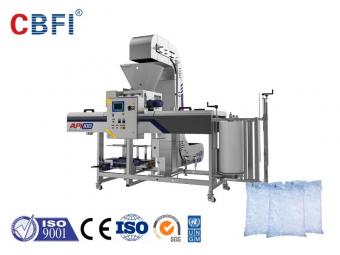
Penyelesaian Ais Perikanan CBFI: Merevolusikan Pengawetan Ikan dan Makanan Laut dengan Ais Kepingan dan Sistem Penggaruan Automatik
Pengenalan
Industri perikanan dan makanan laut global merupakan tonggak penting bagi keselamatan makanan dan pembangunan ekonomi, namun industri ini menghadapi cabaran berterusan dalam mengekalkan kesegaran dan kualiti produk daripada hasil tangkapan hingga kepada pengguna. Kerosakan pantas, pengendalian yang tidak cekap, dan kawalan suhu yang tidak konsisten boleh menyebabkan kehilangan pascatuai yang ketara serta pengurangan nilai pasaran. CBFI (Guangzhou Icesource Co., Ltd.) menawarkan penyelesaian pembuatan ais dan penyimpanan termaju yang direka khusus untuk menangani isu kritikal ini, dengan memanfaatkan ais serpihan berkualiti tinggi dan sistem pengautan ais automatik yang inovatif. Artikel ini mengupas keperluan unik pemeliharaan ikan dan makanan laut, penyelesaian tersuai CBFI, serta cara teknologi ini mengubah rantaian sejuk untuk sektor perikanan yang lebih mampan dan menguntungkan.
Kepentingan Kritikal Rantaian Sejuk dalam Perikanan: Titik Cabaran Industri
Ikan dan makanan laut merupakan antara bahan makanan yang paling mudah rosak, menjadikan pengurusan rantaian sejuk yang berkesan amat penting. Beberapa titik cabaran utama melanda industri ini:
1. Kerosakan Pantas dan Kemerosotan Kualiti
Selepas ditangkap, ikan dan makanan laut mula merosot dengan cepat disebabkan oleh aktiviti enzim dan pertumbuhan bakteria. Tanpa penyejukan segera dan konsisten, parameter kualiti seperti tekstur, rasa dan rupa akan terjejas, menyebabkan jangka hayat penyimpanan serta nilai pasaran berkurangan. Kaedah tradisional sering gagal menyediakan penyejukan yang seragam dan berterusan.
2. Pengendalian Ais yang Tidak Cekap dan Memerlukan Banyak Tenaga Kerja
Pengendalian ais secara manual, yang biasa dilakukan dalam banyak operasi perikanan dan loji pemprosesan, memerlukan banyak tenaga kerja, mengambil masa yang lama dan mudah mengalami ketidakcekapan. Ia meningkatkan kos operasi, memperlahankan pemprosesan, serta boleh memperkenalkan risiko pencemaran, terutamanya dalam operasi berskala besar yang memerlukan bertan-tan ais setiap hari.
3. Kekangan Ruang dan Cabaran Logistik
Menyimpan kuantiti ais yang besar, terutamanya di atas kapal nelayan atau di kemudahan pelabuhan yang sibuk, menimbulkan cabaran ruang yang ketara. Kaedah penyimpanan ais tradisional boleh menjadi besar dan tidak cekap, menyukarkan logistik serta memerlukan pengisian semula yang kerap, sekali gus menambah kos operasi.
4. Kebimbangan Kebersihan dan Keselamatan Makanan
Mengekalkan piawaian kebersihan yang ketat amat penting dalam pemprosesan makanan laut. Penyimpanan ais terbuka dan pengendalian manual meningkatkan risiko pencemaran bakteria, menimbulkan ancaman keselamatan makanan dan berpotensi menyebabkan ketidakpatuhan terhadap peraturan.
Penyelesaian Bersepadu CBFI: Mesin Ais Serpihan dengan Sistem Pengautan Automatik
CBFI menyediakan pendekatan menyeluruh untuk pemeliharaan perikanan, menggabungkan sifat penyejukan unggul ais serpihan dengan kecekapan sistem penyimpanan dan pengedaran ais automatik.
1. Keunggulan Ais Serpihan untuk Pemeliharaan Makanan Laut
Mesin ais serpihan CBFI menghasilkan ais serpihan kering bersuhu bawah sifar (-5°C hingga -8°C) yang sesuai untuk sentuhan langsung dengan ikan dan makanan laut . Kelebihan utamanya termasuk:
•Penyejukan Pantas: Luas permukaan sentuhan ais serpihan yang besar memastikan pemindahan haba yang sangat pantas, dengan cepat menurunkan suhu hasil tangkapan untuk menghalang pertumbuhan bakteria dan aktiviti enzim.
•Lembut terhadap Produk: Bentuk ais serpihan yang lembut dan tidak sekata mengelakkan kerosakan pada kulit dan isi ikan yang halus, tidak seperti ais blok hancur yang boleh menyebabkan lebam.
•Liputan Optimum: Ais serpihan membentuk mengikut bentuk produk, menyediakan penyejukan seragam dan meminimumkan ruang udara, sekali gus memanjangkan kesegaran serta mengekalkan kualiti.
•Ketulenan Tinggi: Mesin ais serpihan CBFI direka untuk menghasilkan ais yang bersih, penting untuk aplikasi gred makanan.
2. Sistem Penyimpanan Pengautan Ais Automatik: Meningkatkan Kecekapan dan Kebersihan
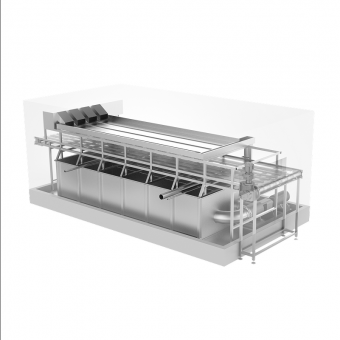
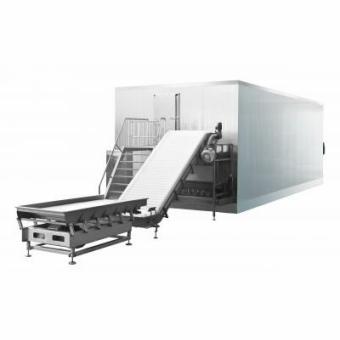
Untuk pelabuhan perikanan berskala besar, loji pemprosesan dan pusat pengedaran, Sistem Penyimpanan Pengautan Ais Automatik CBFI menawarkan penyelesaian tiada tandingan untuk pengurusan ais yang cekap . Sistem ini berintegrasi dengan lancar bersama mesin ais serpihan untuk menyediakan:
•Pengeluaran dan Penyimpanan Ais Berterusan: Ais serpihan dihasilkan secara berterusan dan disimpan dalam tong ais berpenebat yang besar, memastikan bekalan yang berterusan.
•Pengautan dan Pengedaran Automatik: Mekanisme pengautan automatik menggerakkan ais dengan cekap dalam ruang penyimpanan, mencegah penggumpalan dan memastikan pelepasan yang lancar. Sistem ini boleh menghantar ais secara automatik ke pelbagai titik dalam talian pemprosesan atau terus ke kapal nelayan, sekali gus mengurangkan kos tenaga kerja dan pengendalian manual dengan ketara.
•Kebersihan yang Dipertingkatkan: Dengan meminimumkan sentuhan manusia dengan ais, sistem automatik ini mengurangkan risiko pencemaran secara drastik, mematuhi piawaian keselamatan makanan yang ketat.
•Pengoptimuman Ruang: Reka bentuk padat sistem penyimpanan automatik ini mengoptimumkan penggunaan ruang, faktor kritikal dalam persekitaran pelabuhan yang sibuk.
3. Mesin Ais Keping CBFI BF20000: Kuasa Utama untuk Aplikasi Perindustrian
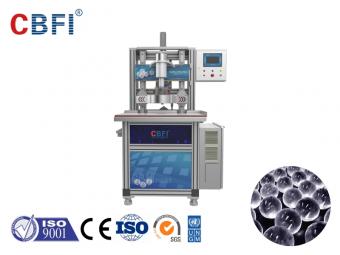
Walaupun model BF20000 juga diketengahkan untuk penyejukan konkrit, teknologi terasnya untuk menghasilkan 20 tan ais keping berkualiti tinggi setiap hari boleh digunakan secara langsung dan amat bermanfaat untuk operasi perikanan berskala besar. Ciri-ciri utama termasuk:
•Pembinaan Kukuh: Dilengkapi dengan sistem kawalan PLC dan penyejat keluli tahan karat berkualiti tinggi, memastikan operasi yang boleh dipercayai dan cekap walaupun dalam persekitaran marin atau perindustrian yang mencabar.
•Teknologi Pengikisan Dalaman Termaju: Bilah berputar menegak mengurangkan haus dan memaksimumkan pengeluaran ais, memastikan prestasi yang konsisten dari semasa ke semasa.
•Ketahanan dan Jangka Hayat Panjang: Proses penyepuhlindapan dan penyaduran elektro yang digilap dengan tepat meningkatkan ketahanan penyejat, menghalang perubahan bentuk dan memastikan jangka hayat operasi yang panjang.
Panduan Pemilihan Peralatan untuk Aplikasi Perikanan
Memilih penyelesaian ais yang tepat untuk operasi perikanan melibatkan pertimbangan beberapa faktor:
1. Skala Operasi
•Kapal/Kemudahan Kecil hingga Sederhana: Mesin ais keping berkapasiti lebih kecil (contohnya, 1-5 tan/hari) mungkin mencukupi, dan berpotensi dipasang terus pada kapal untuk pemeliharaan segera.
•Kapal Besar/Kilang Pemprosesan/Pelabuhan: Mesin berkapasiti tinggi seperti BF20000 (20 tan/hari atau lebih) yang digabungkan dengan sistem penyapu automatik adalah penting untuk bekalan ais berterusan dalam jumlah besar.
2. Keperluan Penyimpanan dan Pengagihan Ais
Pertimbangkan jumlah ais yang diperlukan pada waktu puncak dan logistik pengagihan. Sistem penyapu automatik sesuai untuk pusat bekalan ais berpusat, memastikan ais tersedia dengan mudah di tempat dan masa yang diperlukan.
3. Keadaan Persekitaran
Untuk persekitaran marin, peralatan mestilah kukuh, tahan kakisan, dan mampu beroperasi dengan boleh dipercayai dalam keadaan yang berubah-ubah. Pembinaan keluli tahan karat dan komponen berkualiti CBFI direka untuk memenuhi keperluan tersebut.
4. Kecekapan Tenaga dan Kos Operasi
Nilai penggunaan tenaga sistem pembuatan dan penyimpanan ais. Reka bentuk CBFI mengutamakan kecekapan untuk mengurangkan kos operasi jangka panjang, faktor penting dalam industri perikanan yang kompetitif.
Soalan Lazim (FAQ)
S1: Mengapakah ais keping lebih disukai berbanding jenis ais lain untuk pemeliharaan ikan?
J1: Ais keping mempunyai kawasan permukaan sentuhan yang lebih besar, membolehkan penyejukan lebih pantas. Bentuknya yang lembut dan tidak sekata menghalang kerosakan pada ikan yang mudah rosak, serta membentuk mengikut produk untuk pengagihan suhu yang seragam, sekali gus memanjangkan kesegaran dengan ketara.
S2: Bolehkah mesin ais keping CBFI digunakan pada kapal penangkap ikan?
J2: Ya, mesin ais keping CBFI direka untuk kepelbagaian penggunaan dan boleh dipasang terus pada kapal penangkap ikan, membolehkan nelayan mengawet hasil tangkapan sebaik sahaja dinaikkan ke atas kapal, sekali gus meningkatkan kualiti produk dan nilai pasaran.
S3: Bagaimanakah sistem penyapuan ais automatik meningkatkan kecekapan?
J3: Sistem automatik mengurangkan tenaga kerja manual, mempercepat pengagihan ais, mencegah penggumpalan ais, dan memastikan bekalan ais yang berterusan. Ini membawa kepada kecekapan operasi yang lebih tinggi, kos buruh yang lebih rendah, dan kebersihan yang dipertingkatkan.
S4: Apakah penyelenggaraan yang diperlukan untuk mesin ais kepingan dan sistem penyimpanan ais automatik CBFI?
J4: Peralatan CBFI direka untuk ketahanan dan kemudahan penyelenggaraan. Pemeriksaan berkala, pembersihan, dan pematuhan kepada jadual penyelenggaraan pengeluar adalah disyorkan bagi memastikan prestasi optimum dan jangka hayat yang panjang. CBFI juga menawarkan sokongan selepas jualan yang menyeluruh.
S5: Adakah peralatan ini tahan terhadap persekitaran marin yang menghakis?
J5: Ya, mesin CBFI, terutamanya yang digunakan untuk aplikasi perikanan, menggunakan keluli tahan karat berkualiti tinggi dan komponen kukuh yang direka untuk menahan kesan menghakis air masin serta keadaan marin yang keras, memastikan kebolehpercayaan jangka panjang.
Kesimpulan
Mesin ais kepingan canggih dan sistem penyimpanan ais dengan penyapuan automatik CBFI mewakili satu lonjakan besar dalam pemeliharaan ikan dan makanan laut. Dengan menangani secara langsung masalah utama industri—daripada kerosakan pantas dan pengendalian yang tidak cekap kepada kebimbangan kebersihan—CBFI membantu operasi perikanan meningkatkan kualiti produk, memanjangkan jangka hayat penyimpanan, mengurangkan kos operasi, dan memenuhi piawaian keselamatan makanan yang ketat. Melabur dalam penyelesaian ais bersepadu CBFI ialah pelaburan untuk masa depan pemprosesan makanan laut yang mampan dan menguntungkan, memastikan produk segar berkualiti tinggi sampai kepada pengguna di seluruh dunia.




 IPv6 rangkaian disokong
 Melayu
 English
 français
 русский
 español
 português
 العربية
 ไทย
ไทย Tiếng việt
 Indonesia